




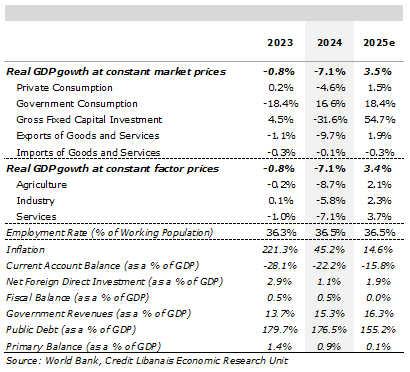
The World Bank released its Lebanon Macro Poverty Outlook (MPO) report in which it estimated Lebanon’s economy to have accelerated during the second half of 2025 as “high-frequency” indicators pointed to a more powerful momentum. In details, the MPO report revealed that cleared checks denominated in LBP and USD rose by circa 49.5% and 29.0% respectively in the second half of 2025 when compared to the first half of the year. In addition, the World Bank stated that construction permits and cement deliveries increased by 12.8% and 14.0% respectively in the second half of the year in comparison with H1-2025 figures, with passenger arrivals rising by 24.5% over the same studied period. Furthermore, the MPO report highlighted that cement deliveries and construction permits rose by 36.0% and 29.3% in the full year 2025 compared to year 2024 figures, while night-time lights increased by 30.0% y-o-y over the same period. On the fiscal front, the World Bank noted that Lebanon registered primary and overall surpluses of $1.87 billion and $1.55 billion in 2025 on a cash basis respectively as government revenues soared by 49% and expenditures increased by 27%. The majority of revenues was concentrated in indirect taxes & VAT (32.3% of total revenues) and customs receipts (7.1% of total revenues). The World Bank commented that the registered surpluses show better tax compliance, fiscal restraint, and lower interest expenses (that followed the March 2020 sovereign default). In a related note, the report stated that public debt remains unsustainable in 2025, standing at 155.2% of GDP, while commenting that said ratio has dropped due to higher nominal GDP. The World Bank noted that despite a moderate rise in consumer prices in the second half of 2025, inflation dropped to 14.6% in 2025. More specifically, the prices of education and rent registered the highest annual increases of 38.8% and 27.0% in 2025 on a respective basis with food & non-alcoholic beverages prices increasing by 20.4%. The World Bank commented that national inflation is still exceeded the global inflation level despite the stability of the exchange rate since August 2023. Regarding poverty, the MPO report revealed that it remained elevated among Lebanese nationals in 2025 yet has stabilized after peaking in 2024 as a result of conflict related disruptions and economic contractions. In the same vein, the World Bank revealed that microsimulations indicate that headcount poverty across five governorates has slightly dropped from 37% in 2024 to 36% in 2025. Furthermore, food insecurity has also dropped from a high of 24% in late 2024 to around 13% in early 2026 prior to the conflict. On the balance of trade front, the World Bank commented that trade deficit widened to $17.4 billion in 2025 (56.8% of GDP) as the 24.7% y-o-y rise in imports outweighed the 34.4% increase in exports. The report added that foreign direct investment in Lebanon rose by 7.3% y-o-y during the first nine months of 2025 to $1.5 billion yet remains insufficient to cover gross external financing needs. According to the report, the deficit was partially covered for by remittances, although official figures are understated, as informal channels are not captured. As far as the outlook is concerned, the World Bank expects the “fragile rebound” in economic activity to likely encounter severe stress, with risks heavily skewed to the downside. The report noted that the conflict and resulting flight disruptions across the MENA region are expected to curb tourism. In addition, the World Bank stated that massive internal displacement and elevated uncertainty are also expected to affect consumption and investment, while the impact of the conflict on human and physical capital is likely to be substantial. More specifically, the MPO report mentioned that energy imports constituted circa 29% of the total import bill in 2025. According to the World Bank, the continued reliance on oil for electricity generation and transportation will pressure the current account deficit as well as external financing needs on the back of rising oil prices. Furthermore, the World Bank highlighted that higher freight rates and oil prices will fuel inflationary pressure in the coming period, while the rising demand for emergency and reconstruction spending will undoubtedly strain the 2026 approved budget, which aimed for a balanced budget.
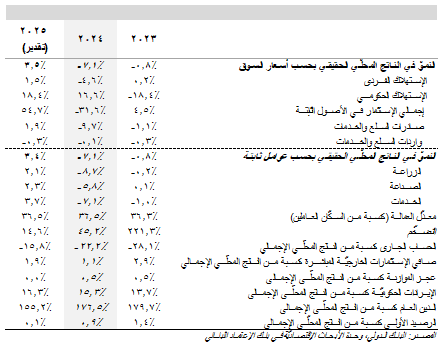
أصدر البنك الدولي تقريره حول آفاق الفقر في لبنان والذي قدّر من خلاله أن يكون أداء الإقتصاد اللبناني قد تحسّن خلال النصف الثاني من العام 2025 حيث أنّ مؤشّرات دوريّة أشارت إلى زخم أقوى في النصف الثاني من العام. بالتفاصيل، ذكر التقرير أنّ حركة مقاصّة الشيكات المعنونة بالليرة اللبنانيّة وبالدولار الأميركي قد إرتفعت بنسبة 49.5% و29.0% بالتتالي في النصف الثاني من العام مقارنةً بالنصف الأوّل. بالإضافة إلى ذلك، فقد أشار البنك الدولي إلى أنّ رخص البناء وتسليمات الإسمنت قد زادت بنسب 12.8% و14.0% بالتتالي مقارنةً بأرقام النصف الأوّل من العام 2025، كما وإرتفع عدد الوافدين إلى البلاد بنسبة 24.5% في الفترة نفسها. كذلك لفت التقرير إلى أنّ تسليمات الإسمنت ورخص البناء قد إرتفعتا بنسبة 36.0% و29.3% في كامل العام 2025 مقارنةً بأرقام العام 2024 في حين زادت الإضاءات الليليّة (Night-Time Lights) بنسبة 30.0% سنويّاً خلال الفترة عينها. على الصعيد المالي، أشار البنك الدولي إلى أنّ لبنان قد سجّل فائض أوّلي وفائض إجمالي بقيمة 1.87 مليار د.أ. و1.55 مليار د.أ. بالتتالي على أساس نقديّ في العام 2025 حيث أنّ الإيرادات إرتفعت بنسبة 49% في حين أنّ النفقات قد زادت بنسبة 27%، علماً أنّ غالبيّة الإيرادات آتية من الضرائب غير المباشرة والضريبة على القيمة المضافة (32.3% من إجمالي الإيرادات) والرسوم الجمركيّة (7.1% من إجمالي الإيرادات). وقد علّق البنك الدولي أنّ الفوائض المسجّلة تعكس تحسّن الإمتثال الضريبي والإنضباط المالي وإنخفاض خدمة الدين (بعد قرار لبنان بالتخلّف عن دفع ديونه السياديّة في شهر آذار 2020). في إطارٍ متّصل، أفاد التقرير أنّ الدين العامّ لا يزال غير مستدام في العام 2025 إذ بلغ 155.2% من الناتج المحلّي الإجمالي، معلّقاً أنّ هذه النسبة قد تراجعت نتيجة إرتفاع الناتج المحلّي الإسمي. وقد أشار البنك الدولي إلى أنّه بالرغم من الإرتفاع البسيط في الأسعار خلال النصف الثاني من العام 2025، تراجعت معدّلات التضخّم إلى 14.6% في العام 2025علماً أنّ أسعار التعليم والإيجارات قد سجّلت أكبر زيادات سنويّة بلغت نستبها 38.8% و27.0% بالتتالي كما وإرتفعت أسعار الغذاء والمشروبات غير الروحيّة بنسبة 20.4%. وقد علّق البنك الدولي أنّ معدّل التضخّم المحلّي لا يزال يفوق المتوسّط العالمي بالرغم من إستقرار سعر الصرف منذ شهر آب 2023. أمّا لجهة معدّلات الفقر، فقد كشف التقرير أنّها بقيت مرتفعة بين اللبنانيّين في العام 2025 إلاّ أنّها إستقرّت بعدما بلغت ذروتها في العام 2024 بسبب الإضطرابات الناتجة عن العدوان على لبنان والإنكماش في حجم الإقتصاد. في الإطار نفسه، أشار البنك الدولي إلى أنّ معدّلات الفقر عبر خمسة محافظات قد تراجعت بشكلٍ طفيف من 37% في العام 2024 إلى 36% في العام 2025. بالإضافة إلى ذلك، فقد إنخفض إنعدام الأمن الغذائي من أعلى مستوى له في أواخر العام 2024 والبالغ حينها 24% إلى 13% في بداية العام 2026 قبل إندلاع الحرب الأخيرة. فيما يتعلّق بالميزان التجاري، علّق البنك الدولي أنّ العجز التجاري قد زاد إلى 17.4 مليار د.أ. في العام 2025 (56.8% من الناتج المحلّي الإجمالي) حيث أنّ إرتفاع الصادرات السنويّ بنسبة 24.7% قد طغى على الزيادة بنسبة 34.4% في الواردات. أضاف التقرير أنّ الإستثمارات الأجنبيّة المباشرة قد إرتفعت بنسبة 7.3% سنويّاً في الأشهر التسعة الأولى من العام 2025 إلى 1.5 مليار د.أ. وهو مستوى غير كافٍ لتغطية إحتياجات التمويل الخارجيّة الإجماليّة. وبحسب التقرير، فقد تمّ تغطية جزء من العجز التجاري عبر تحويلات المغتربين بالرغم من أنّ الأرقام الرسميّة أقل من الواقع نظراً لعدم إحتساب القنوات غير الرسميّة. أمّا فيما يخصّ النظرة المستقبليّة للعام 2026، يتوقّع البنك الدولي أن يواجه التعافي البسيط في الحركة الإقتصاديّة ضغوطات شديدة حيث أنّ الصراع الأخير في المنطقة والإضطرابات في حركة الملاحة الجويّة في منطقة الشرق الأوسط وشمال إفريقيا قد يعيقان الحركة السياحيّة. بالإضافة إلى ذلك، يتوقّع البنك الدولي أنّ حركة النزوح الكبيرة داخل البلاد وحالة عدم اليقين المرتفعة قد قد يكون لهما تأثيراً كبيراً على مستوى الإستهلاك والإستثمار في حين أنّ تأثير الحرب على الرأسمال البشري والمادّي قد يكون كبير. بالتفاصيل، أشار التقرير أنّ واردات الطاقة شكّلت حوالي 29% من إجمالي فاتورة الإستيراد في العام 2025. وبذلك، وفي ظلّ الإعتماد المستمرّ على النفط لتوليد الكهرباء والنقل، فمن المتوقّع أن يؤدّي إرتفاع أسعار النفط إلى زيادة الضغط على العجز في الحساب الجاري كما وعلى إحتياجات التمويل الخارجيّة. وقد أوضح البنك الدولي أنّ الإرتفاع في تكاليف الشحن وفي أسعار النفط قد يزيد الضغط على معدّلات التضخّم في حين أنّ تزايد الطلب على الإنفاق الطارئ وإعادة الإعمار قد يضغط على موازنة العام 2026 التي تمّ إقرارها.